

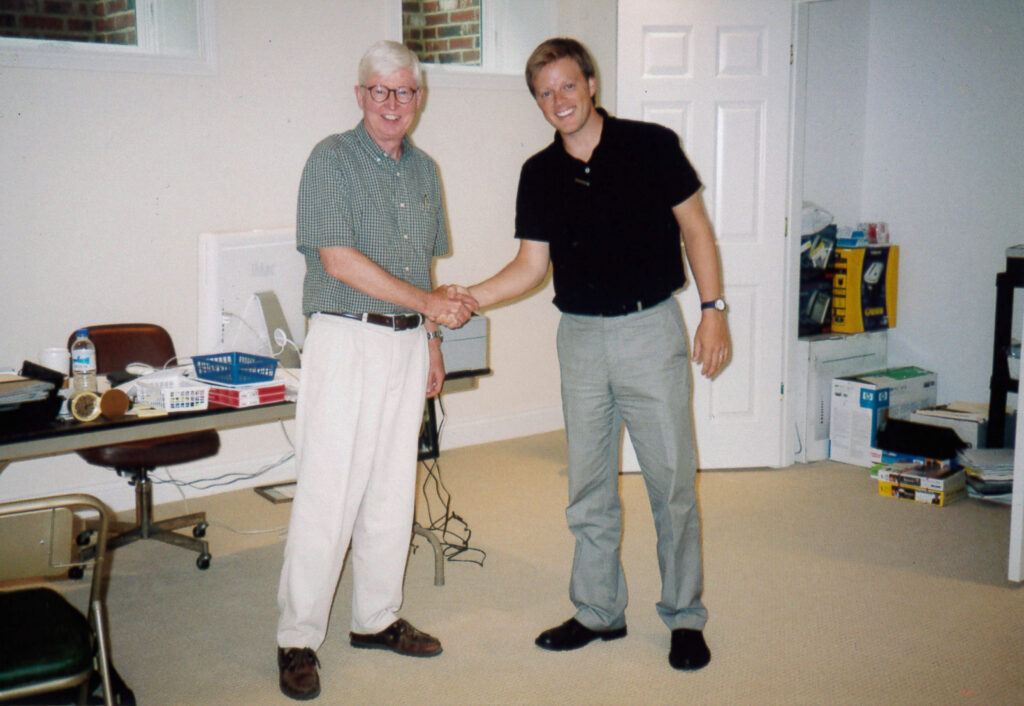
We started Hill Investment Group with some pretty strong convictions. Some have stood the test of time. Others? Not so much.
I’ve always believed in having the courage of your convictions. But I’ve also learned there’s a difference between conviction and certainty. One gives you the confidence to act. The other can prevent you from learning. Here are five things I got wrong along the way.
1. I thought the entire investment industry would eventually come around.
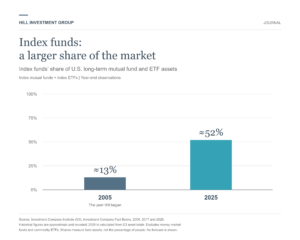
When we started HIG, I thought it was only a matter of time before everyone embraced evidence-based investing. The academic research was, and is, so compelling. The math made sense. Why wouldn’t all investors eventually get on board? To be fair, far more people invest this way today than they did 21 years ago. That’s real progress.
But I’m still amazed by what we see when prospective clients arrive from some of the biggest names on Wall Street. High fees. No coherent investment philosophy. Poor asset allocation and asset location. Sloppy execution. In many cases, it’s not much different from what we saw two decades ago.
I was naive to think the evidence alone would persuade everyone. What I underestimated was how people actually make decisions. Relationships, familiarity, incentives, emotions, and plain old inertia often carry more weight than the math. I’ve become more curious about why people believe what they believe, even when I strongly disagree with their conclusions. Understanding what motivates someone is often more useful than simply explaining why the data and evidence tell a different story.
2. I thought hiring great people would be easy.
This one is almost embarrassing to admit. In our early days, someone could practically get hired because they were available, enthusiastic, and told Rick and me how wonderful we were. We liked them. They liked us. What could go wrong? Plenty, as it turns out. How dumb was that?
We confused enthusiasm with ability and flattery with fit. We weren’t nearly disciplined enough about assessing skills, character, values, or whether someone would actually make the team better. Today, we’re much more intentional and mature. We look for what we call “caring nerds”. People who take ownership, solve problems, get satisfaction from serving others, and make those around them better. People who look for solutions instead of excuses.
And even with a better process, hiring is hard. Really hard. I’ve learned that one exceptional person can make an enormous difference, while one wrong person can consume an extraordinary amount of time and energy. Don’t hire people because they like you. Hire people because they make your team better.
3. I thought everyone needed to work in the same office.
I love having our team together. There’s an energy that comes from being in the same room, sharing ideas, laughing, and building relationships that you can’t completely replicate on a screen. But I used to think everyone needed to work in the same office. I was wrong.
I’d much rather have an extraordinary person in Nashville, Houston, or somewhere else than settle for someone less capable simply because they live in St. Louis. And think about how fortunate we are. Someone can get almost anywhere in the country in a day. We have incredible technology that allows us to collaborate across time zones. Why would we limit ourselves to hiring people who happen to live nearby?
That doesn’t mean being together is unimportant. Quite the opposite. It means we need to be deliberate about when and how we get together. The goal isn’t to build the best team within driving distance. It’s to build the best team, period.
4. I thought our reputation within the industry mattered enormously.
Early in my career, I cared a lot about what other financial advisors thought of us. I wanted our peers to respect what we were building. Today, I care a whole lot less.
That’s not because I don’t respect the profession. There are some terrific people doing outstanding work.
But after 21 years, I’ve also seen enough mediocre advice, questionable practices, and self-congratulation to know that industry approval isn’t much of a scorecard. Frankly, there are fewer than ten firms in the country I’d feel completely comfortable recommending to someone I care about. So why should I spend much time worrying about what the rest of the industry thinks?
What matters is what our clients think. Do they trust us? Are we improving their lives? Are we delivering on our promises? Would they enthusiastically recommend us to someone they love? Those are questions worth obsessing over. I’ve learned to spend less energy seeking approval from our peers and more energy earning the trust of the people who have chosen us.
5. I thought the best part of my job would be helping people build enormous wealth.
When Rick and I started HIG, I assumed the most rewarding part of the business would be helping people accumulate substantial wealth. And don’t get me wrong. Investment results matter. A lot. We’re serious about investing, and we should be. Our clients have entrusted us with something enormously important.
But what I didn’t anticipate was how satisfying it would be to see that financial security make a difference in someone’s life. Sometimes it’s something wonderful. A retirement, a family celebration, an opportunity to do something meaningful. Other times it’s something nobody would wish for. A serious illness. The loss of a spouse. An unexpected family crisis.
In those moments, money can’t solve everything. Not even close. But having a sound financial plan and the resources to support it can take an enormous burden off someone’s shoulders. Knowing we’ve played a part in creating that security is incredibly rewarding.
We still love helping people build wealth, but we’ve learned that the real satisfaction comes from seeing what that wealth allows them to do, enjoy, endure, or overcome. The money matters. What the money makes possible matters more.
After 21 years, I’m more convinced than ever about the investment philosophy that led Rick and me to start Hill Investment Group. But I’m also more aware of how much I don’t know. Building a business, leading people, and serving clients have taught me that curiosity and humility aren’t weaknesses. They’re strengths. I’m proud of what we’ve built, but even more interested in what we can become if we keep questioning our assumptions and learning.
That’s part of what it means to Take the Long View. Have the courage of your convictions, but never confuse conviction with certainty.
Matt
