Signal vs. Noise: Stock Market Concentration Concerns
The Player or the House?
We’re in the Hospitality Business
Client-Exclusive Webinar with David Booth, Co-Founder and Chairman of Dimensional
A Good Estate Plan Should Make Life Easier
Author: Nell Schiffer
A Good Estate Plan Should Make Life Easier
 We believe estate plans should be as simple and straightforward as they can be.
That doesn’t mean there’s never a place for complexity. Sometimes there absolutely is. But every additional trust, restriction, or strategy should have a clear purpose. Families change. Assets change. Laws change. Priorities change. A good estate plan needs enough flexibility to change with them.
When we talk with clients about their estate plans, one of the first things we look at is the attorney drafting the plan.
Do they specialize in estate planning in your state? Do they serve other clients like you? Are they responsive? Do you trust them? Are their fees reasonable for the work they’re doing? And maybe most importantly: Is this someone you’d feel comfortable having your children work with someday?
We’ve intentionally chosen not to have an estate attorney on staff at Hill. Estate planning attorneys have different specialties and strengths, and the more complex a client’s situation becomes, the more important it is to have the right attorney for that particular work. We’d rather help our clients find the right fit and then work closely with that person.
As for the estate plan itself, reviewing your plan every five years is a good rhythm. Of course, life and tax laws don’t always follow a five-year schedule. A marriage, divorce, death in the family, move to another state, business transaction, or significant change in wealth could all be reasons to revisit things sooner.
Part of our job is helping clients recognize when it’s time to take another look. And if we haven’t reviewed your estate plan recently, that doesn’t necessarily mean something is wrong or has been overlooked. You may just not have hit one of those checkpoints yet.
We also want to make sure your estate plan and investment plan are actually working together. That means checking things like beneficiary designations and account titling, thinking through where cash will come from for taxes or family needs, and making sure any charitable giving is structured in a way that gives your family the flexibility you intended.
None of these topics is particularly flashy, but they’re often the details that determine whether an estate plan works the way you hope it should.
Our role isn’t to design the most sophisticated estate plan possible. It’s to ask excellent questions, identify things that may not line up, and work alongside your attorney to get them resolved.
At the end of the day, the goal is pretty simple: a plan that reflects what you want, can adapt as life changes, and isn’t unnecessarily complex for the people you’re ultimately creating it for.
Have a question about your own estate plan? Click here to schedule time to talk with us.
The Freedom to Choose What Comes Next

We recently sat down with a couple in their 50s who had spent decades building. Careers. A portfolio. A family. They funded education, paid down debt, and prepared for a future that always seemed to require one more year of work and one more dollar saved.
For most of that time, every dollar had a job. Pay down the mortgage. Fund college. Max out retirement plans. Set aside cash for taxes. Invest the next business distribution.
Now their cash flow is beginning to look different. Many of the major assignments are covered, which means more of the next dollar comes with a choice.
They like their work and still have goals. They also care deeply about having time for the relationships that matter to them, especially family, friends, and their own parents.
That led us to a more interesting question:
The next dollar could go into the portfolio. It could pay for help that creates breathing room, fund a longer family visit, support a cause, help the kids, or simply wait until the right use becomes clearer.
The right answer depends on the person.
Every client has some mix of assigned dollars and choice dollars, and that mix changes over time. For someone still building, preferences help determine which goals deserve priority. For someone with more room in the plan, those same preferences can help direct that freedom.
Our founder, Rick Hill, offers one example. Rick spent a good solid decade following what we called the “Rick Hill Plan,” slowly walking down from working 40 hours a week to 10. He still keeps his toe in the water, giving him the community, mental engagement, and fun he gets from work while creating more time for family, friends, travel, and hobbies.
That plan fits Rick. Someone else may love working full time. Another person may want to leave work completely and move toward something new. Research on gradual retirement has found benefits to maintaining meaningful work and connection when the arrangement fits the person.
A financial plan tells us what is possible. Knowing the client helps us understand what those possibilities are for.
One family may buy a second home because it becomes the place where everyone gathers. Another may prefer the freedom to travel anywhere. One client may help the kids earlier because they want to see what the money makes possible. Another may value the confidence their children develop by building independently.
Research supports the importance of this fit. One study examining more than 76,000 bank transactions found that people whose spending better matched their personalities reported greater life satisfaction. The fit between the spending and the person mattered more than how much they spent.
The useful question is whether your spending looks like you.
Money can remain invested. Time with parents, children, friends, and our own health has a season. The way we use our resources influences who receives our attention, what receives our energy, and what we have room to experience now.
Understanding our preferences takes its own kind of work and awareness. Clients rarely arrive with perfectly articulated answers, so we help draw them out.
We may notice that a client lights up when talking about traveling with her siblings and grows quiet when discussing a second home. We may learn that “working less” is really about seeing aging parents more often. We may ask whether helping a child is meant to create opportunity, security, or connection.
We ask questions, listen for patterns, and reflect preferences back. Then we put numbers around the choices so clients can decide with confidence.
- Which trips leave you restored and excited?
- What do you hope helping the kids will make possible?
- Who and what do you want more time for?
The couple we met with is still in the gray. They are becoming more aware of their choices and more intentional about what they want their dollars to do.
Good financial planning helps turn wealth into a life well lived. For clients who are building, that means protecting what matters along the way. For clients with more freedom, it means giving more of their lives to what matters most.
For years, your money had a job. Now you may have more freedom to choose its next assignment.
Free Money from Uncle Sam for your Baby’s Retirement
When Congress creates a new savings account, there’s usually a lot of excitement, a lot of headlines, and eventually a lot of confusion. Trump Accounts are no different.
Our view is pretty simple: If your family qualifies for the free $1,000, take it.
After that, pause before directing additional savings there. In many cases, we still believe there are better tools available.
A Trump Account is a new tax-advantaged investment account for children under age 18. The investments are intentionally simple: low cost, broadly diversified U.S. stock index funds.
Children born between January 1, 2025, and December 31, 2028, who meet the eligibility requirements, may receive a one-time $1,000 contribution from the federal government. Family members can also make annual contributions, subject to contribution limits.
If you have:
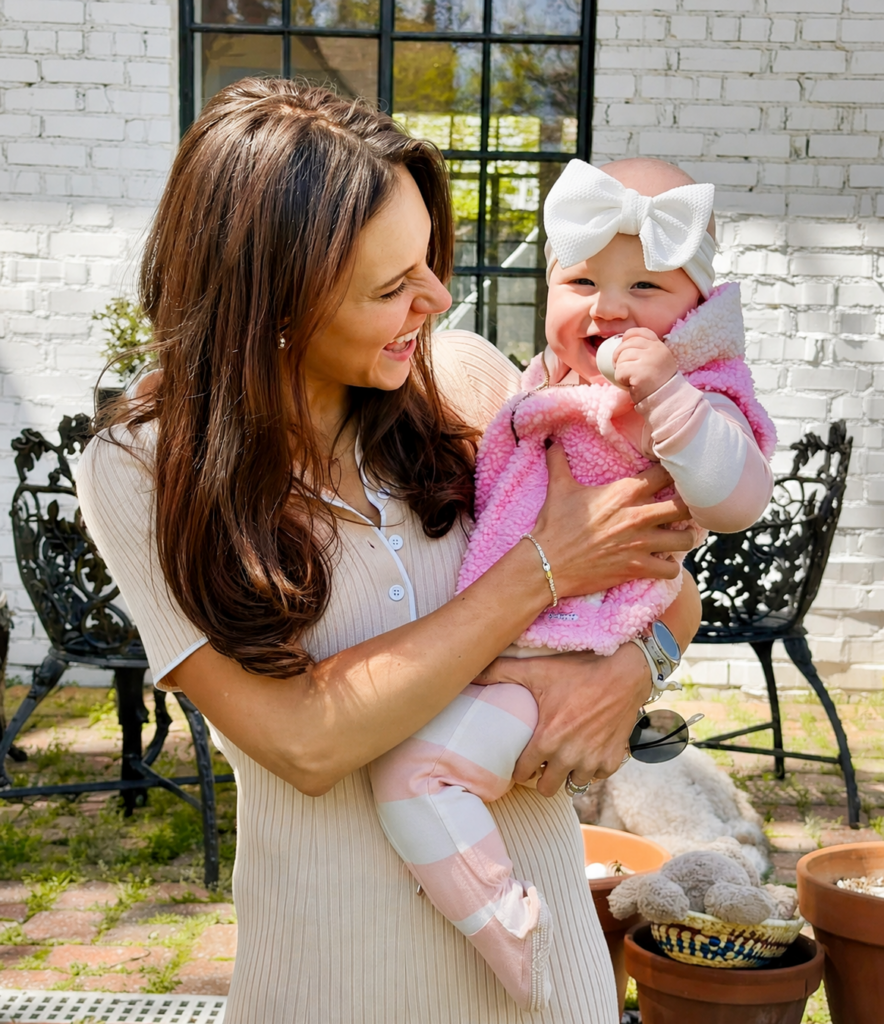
• A child born between January 1, 2025 and December 31, 2028 (like me)
• A grandchild in that age range
• A niece or nephew whose parents may not have heard about the program
It’s worth making sure someone claims the government’s contribution.
This is where we think it’s helpful to separate the headline from the planning.
The headline is the free $1,000. The planning question is whether this should become your primary savings vehicle. For most families, our answer is no. If your goal is education, a 529 plan is often the better choice. If your goal is flexible gifting, a custodial or trust investment account may provide greater flexibility. If your goal is retirement, maximizing your own retirement accounts is frequently the highest impact decision you can make. Trump Accounts are another tool, not a replacement for the others.
One feature we do like is that these accounts eventually transition into something that functions much like a Traditional IRA.
That creates the possibility of converting the account to a Roth IRA during early adulthood, when many young adults have relatively little taxable income. Decades of tax-free growth after a low tax Roth conversion could make that initial $1,000 much more valuable over a lifetime. It is too early to know exactly how often this strategy will make sense, but it is an opportunity we will be watching closely.
At Hill, we don’t chase headlines.
We look for opportunities to make small, intelligent decisions that compound over decades.
For eligible families, claiming a free $1,000 is one of those decisions.
If you have a child or grandchild who may be eligible, here’s how to get started.
Step 1: Confirm eligibility.
Children born between January 1, 2025, and December 31, 2028, who are U.S. citizens with a valid Social Security number, may qualify for the government’s $1,000 contribution.
Step 2: Complete the enrollment process.
Parents or legal guardians will need to complete the required enrollment through the IRS and Treasury’s Trump Account program. If your child is eligible, this establishes their ability to receive the government’s contribution.
Step 3: Activate the account.
Once eligibility has been verified, you’ll activate the account through an approved provider. The Treasury will then deposit the $1,000 for eligible children, and family members can begin making additional contributions if they choose.
As with many new government programs, the rollout is still evolving. We expect additional financial institutions to begin offering Trump Accounts over time, making the process even more straightforward.
Helpful Resources
• IRS Trump Accounts page for eligibility requirements, FAQs, and enrollment information.
• TrumpAccounts.gov for program updates, participating providers, and account activation instructions.
• Recommended reading from the New York Times on this topic (free NYT gift link, available for a limited time)
If you have questions about whether a Trump Account fits into your family’s broader financial plan, we’re here for you.