Signal vs. Noise: Stock Market Concentration Concerns
The Player or the House?
We’re in the Hospitality Business
Client-Exclusive Webinar with David Booth, Co-Founder and Chairman of Dimensional
A Good Estate Plan Should Make Life Easier
Author: Buddy Reisinger
David Booth, Beyond the Numbers

Last month, I wrote that David Booth’s new book, Stay Calm, would launch on September 1, and with a lot of travel planned, I thought I’d dig into the book before our November 10, 2026, webinar (see “Upcoming Events” below), with David.
As a long-time fan of Dimensional, our primary strategic investment partner, and someone who’s followed the firm and its founders since 1997, I thought I knew a lot about David Booth, Co-Founder and Chairman of Dimensional. I was wrong.
In addition to learning many more details about the confluence of timing, luck, and people coming together at the University of Chicago in the late 60’s and early 70’s, which led to the founding of the first, truly data and evidence-based investment firm in America, I learned about the person behind the numbers and what excites him beyond the science of investing.
In particular, David’s passion for philanthropy has grown along with his net worth, and he feels strongly about giving back. You can read the book yourself to learn the details of the specific dollar amounts, which are significant. However, the “why” is what’s interesting to me. His gift to the University of Chicago was a gift to provide thanks to the place that allowed him to learn so much and meet the people who would lay the foundation for, and join him in his future success. And David wanted to ensure that the opportunity remains for future students as well.
David is also a major art collector. But as he stated himself, “I don’t buy art as an investment. I buy it because I like it.” He goes on to say, “I like happy art, which means that when I walk by it, I smile. And I really love when other people see a piece of art and smile too.” That’s not what I expected to hear from someone who believes so strongly in “data & evidence” and rational thinking. That said, David goes on to explain how he asks himself many of the same questions he would use to evaluate an investment strategy, including “Is it likely to endure over time?” That sounds a lot like taking the long view.
The bigger lesson. David is a sharer. Upon his death, David intends to donate his 50+ acre estate and dozens of outdoor sculptures to the public. When David paid more than $2.5 million for the original “Rules of Basketball” (yes, the real, 13 hand-written rules as penned by Dr. James Naismith), he donated them to the University of Kansas, his undergraduate alma mater. The list goes on.
To learn the entire story, request a complimentary copy of Stay Calm by emailing Annie Hall at annie@hillinvestmentgroup.com. Keep reading to learn about our upcoming webinar!
Meet Annie Hall
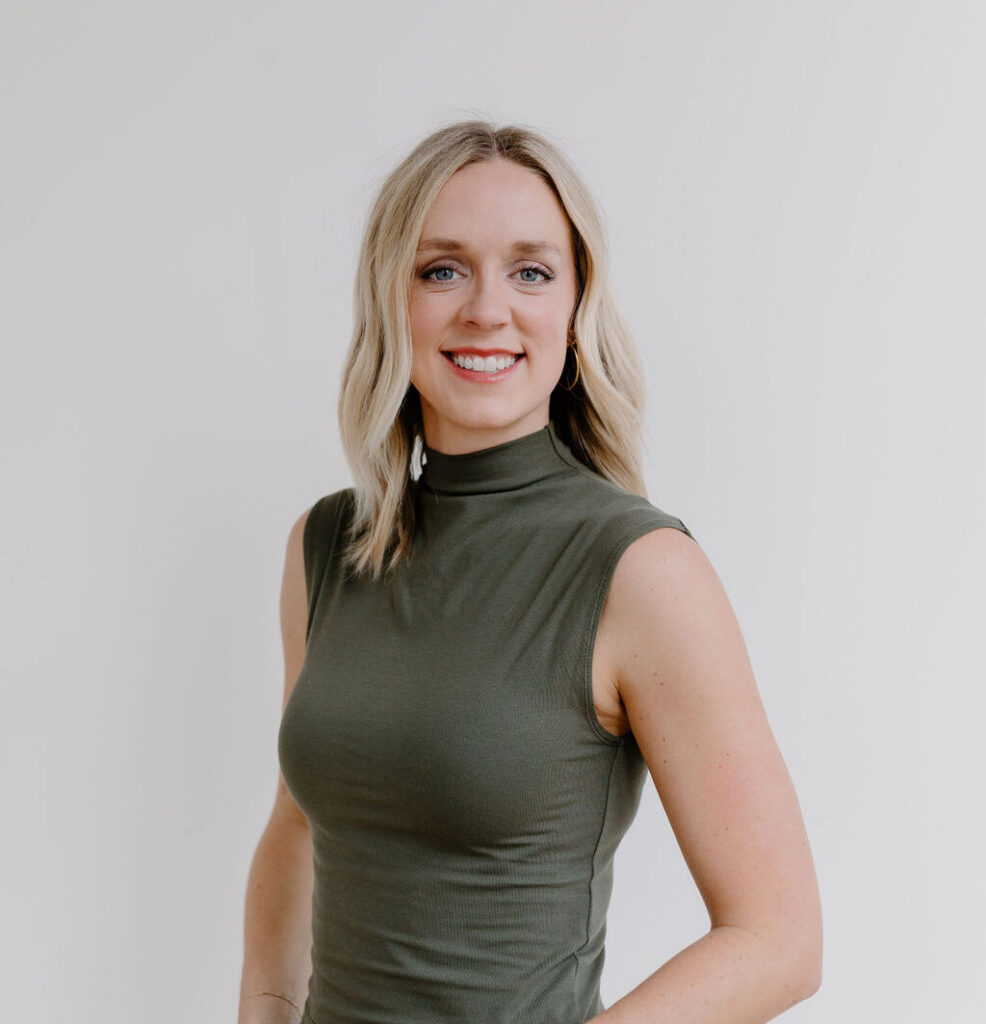
We’re excited to welcome Annie Hall as Marketing Manager at Hill Investment Group and Longview Research Partners after a year of working with our team. Annie’s role spans marketing, growth, and business development across both organizations, including content and editorial planning, client communications, digital marketing, events, and business development coordination.
Annie brings more than a decade of experience across sales, design, technology, and entrepreneurship. During 12 years in Chicago, she spent a decade at luxury design company HOLLY HUNT before moving into technology sales at climate tech company Worldly. She later launched her own business, working independently with leaders and growing companies. That range of experience shapes how she approaches communication, relationships, and bringing ideas to life.
For Annie, joining Hill full time is also a return to familiar ground. I’ve known her since she interned with us in 2009, before graduating from the University of Missouri with a degree in Biology and a minor in Architectural Studies. As co-founder Matt Hall’s younger sister, she also had a front-row seat to Hill’s early days.
Now back in St. Louis, Annie lives with her partner, Nate, and their two rescue dogs. A lifelong tennis player and outdoor enthusiast, she is passionate about animal rescue and is currently training for her first marathon this year in Chicago! See Annie’s full bio here.
A New Book, A Familiar Message: Stay Calm

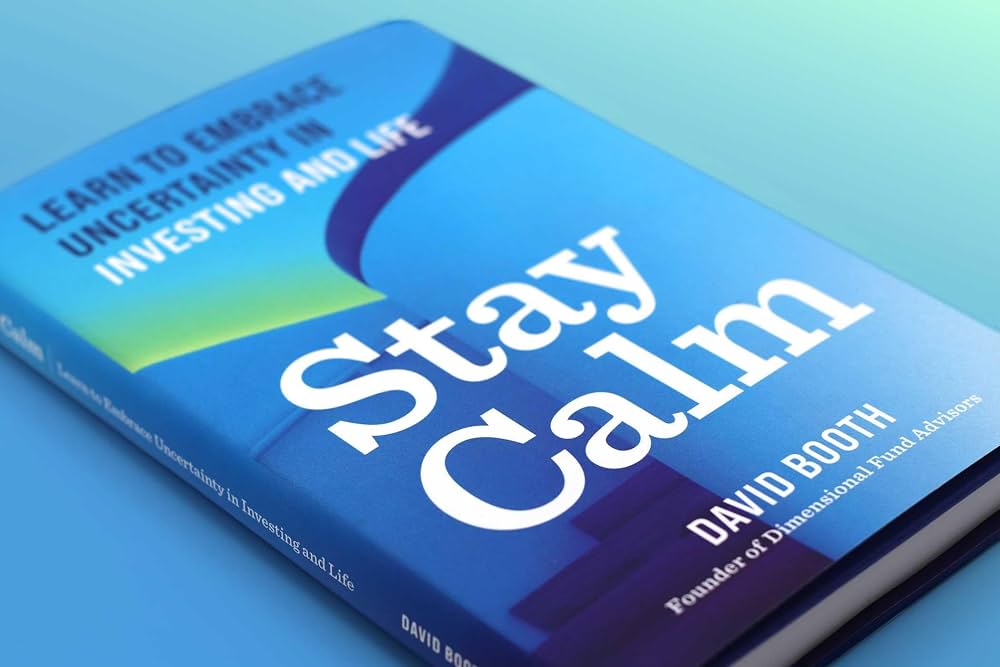
We’re excited about the September 1, 2026, launch of Stay Calm: Learn to Embrace Uncertainty in Investing and Life, by David Booth, Chairman and Co-Founder of Dimensional, our oldest strategic partner. Booth and St. Louis native Rex Sinquefield launched Dimensional in the early 1980’s as the first exclusively evidence-based fund company available to the public.
Clients and longtime followers will recognize the words in title because you’ve likely heard them come out of our mouths or read the words in these pages and client letters. Tune out the noise of today’s headlines. Focus on what you can control. And embrace the uncertainty of the market because that very uncertainty is precisely what will reward you as a long-term investor. Hence, it’s why we say: Take the Long View.
In Stay Calm, David shares the lessons, mindset, and stories behind the revolution that transformed investing from a game of speculation into a discipline grounded in evidence and long-term thinking.
Watch this space for details on an exclusive webinar with David Booth. Until then, read what the likes of Arnold Schwarzenegger, Barry Ritholtz, and Errol Morris are saying about Stay Calm below.
If you’re trying to instill more calm into your life, join our community or give us a call at 314-448-4023.
“Success—in anything, from fitness to business to investing—comes from discipline and patience, not chasing shortcuts. David Booth, who is a visionary and a great friend, reminds us that staying calm, loving the process, and focusing on what we can control is the real path to lasting results. This book is about building strength the smart way—over time.”
—Arnold Schwarzenegger, longtime Dimensional shareholder
“No one has done more to bring the SCIENCE of investing to the broader public than David Booth. His commitment to understanding markets—through deep, evidence-based, academic research—is unparalleled.”
—Barry Ritholtz, Chairman and Chief Investment Officer of Ritholtz Wealth Management
“There was a financial revolution in our time, brought about through a combination of computers, data collection, and theory. David Booth and the University of Chicago were at the center of it. Stay Calm is in part a chronicle of this financial revolution. But more relevantly, it’s a story about scientific principles of investing that shows how easy it is today for anyone to invest well.”
—Errol Morris, Academy Award®–winning filmmaker