Details Are Part of Our Difference
David Booth on How to Choose an Advisor
20 Years. 20 Lessons. Still Taking the Long View.
Making the Short List: Citywire Highlights Our Research-Driven Approach
The Tax Law Changed. Our Approach Hasn’t.
Author: Ryan Clinton
Larry Swedroe on the Excess Returns Podcast
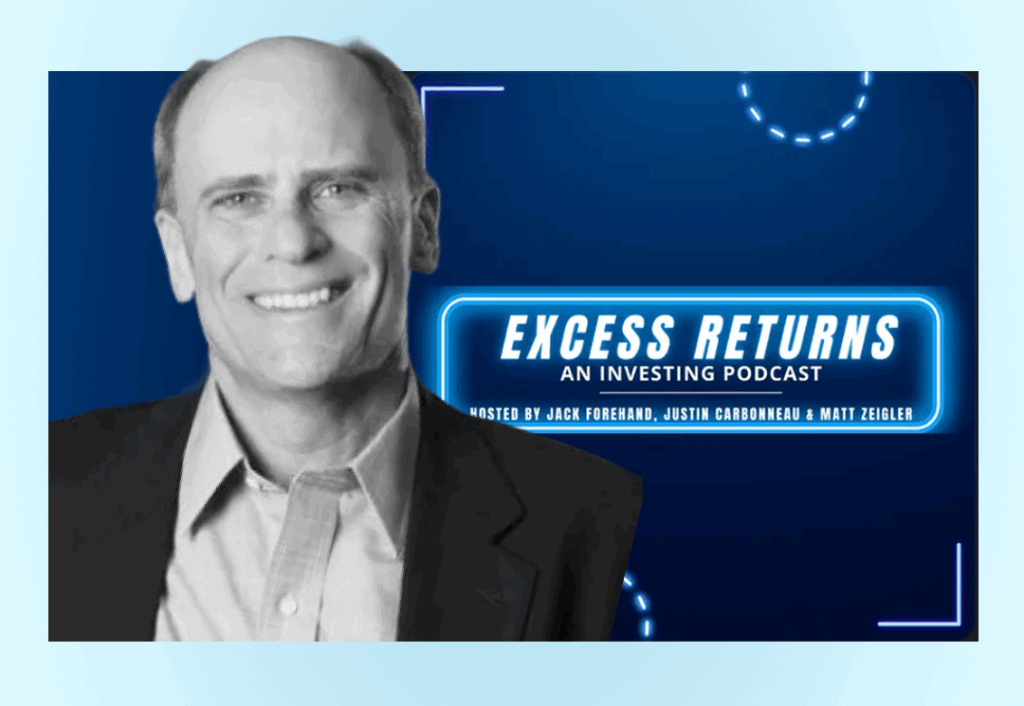
We’re grateful to have Larry Swedroe as both a longtime friend to Hill Investment Group and a foundational voice in the evidence-based investing community. For decades, Larry has helped investors cut through noise, resist prediction-driven thinking, and stay anchored in the data – an approach that has shaped our work and benefited the clients we serve.
In his latest appearance on the October 22nd Excess Returns podcast (the same show our CIO, Matt Zenz, joined recently), Larry brings that perspective to today’s big conversations around tariffs, immigration, AI, and market structure.
“HTC” WARNING: Be forewarned, this is Highly Technical Content, best consumed by the heavy-duty fact finders in our audience and to all those who want to take a deeper dive into why we believe what we believe.
If you only have a few minutes…
Jump to 33:05, where Larry explains why smaller, more nimble funds can access deeper exposures in areas like small-cap value – an insight that reinforces one of the key advantages of our own approach to managing The Longview Advantage ETF (EBI).
It’s a thoughtful, wide-ranging conversation, and we’re thankful for Larry’s ongoing partnership and the clarity he brings to evidence-based investing.
Signal vs. Noise: The “Debasement” Trade
 Welcome to our next article in our “finfluencer” series which examines popular claims circulating online or in print. Our goal is to help you separate the signal from the noise. In other words, what matters and what doesn’t. At Hill Investment Group, we believe good advice should be simple, clear, and grounded in evidence, not hype.
Heard something at work, on the course, or on social media that made you pause? Send it to zenz@hillinvestmentgroup.com. We’ll help unpack it. Submissions are confidential. With your permission, we may quote an anonymized version in a future post.
This Month’s Topic: Currency Debasement
The term currency debasement (the act of reducing its value) has recently become a favorite talking point among financial influencers. The claim is that the U.S. dollar is “losing value,” and that the supposed evidence lies in the rising prices of gold and bitcoin. Some interpret this to mean that investors holding dollar-denominated portfolios are quietly falling behind and should buy gold or bitcoin.
This storyline is designed to cause fear and get clicks, but it fundamentally misrepresents how value is created and how real wealth should be measured. Let’s dig in.
Assets vs. Stores of Value
There are two basic categories of things investors can own.
Productive assets – like stocks, bonds, and real estate – create value over time through earnings, interest, or rent. For example, a company may invest in building a factory that manufactures widgets to sell for a profit. When you own a share of that company, you own some portion of those profits, as well as any future profits. These are the types of investments that our clients own in their Hill Investment Group portfolios.
Stores of value – like gold, bitcoin, or fiat currencies (currencies issued by governments, like euros or dollars) – do not create value; they simply represent it. Owning bitcoin doesn’t generate more bitcoin. Stated differently, there is no economic engine in bitcoin or any commodity like gold, silver, or corn, that generates more of that item. Instead, these “stores of value” fluctuate relative to one another as investors’ preferences and supply/demand conditions change.
Owning productive assets means owning a share of future output and innovation. Owning stores of value means holding something that sits still while the world moves around it. Comparing them isn’t apples to oranges – it’s apples to basketballs.
Measuring What Actually Matters
The rise or fall of gold and bitcoin doesn’t determine whether your wealth has been “debased.” Those price movements simply reflect changing exchange rates between stores of value. Measuring your wealth in gold or bitcoin vs. dollars is like measuring your weight in kilograms vs. pounds – the number changes, but you don’t.
What matters is whether your productive assets are growing faster than your liabilities – your living expenses, savings goals, and future spending needs. Inflation, not the price of gold or bitcoin, is what affects your actual purchasing power.
If your portfolio grows faster than inflation, your real wealth is rising – no matter what gold or bitcoin are doing relative to the dollar. You want to invest in assets that you expect to increase in value relative to your liabilities, not assets that are meant to store value.
An Evidence-Based Alternative
At Hill Investment Group, we focus on building globally diversified portfolios that are designed to compound wealth in real, inflation-adjusted terms across decades. A disciplined mix of equities and high-quality fixed income has historically been one of the most effective ways to preserve and grow purchasing power over time.
Unlike commodities or speculative stores of value, productive assets participate in global capitalism, delivering cash flows that rise with the economy and outpace inflation across decades.
The Bottom Line
“Currency debasement” makes for catchy headlines but poor guidance. Gold and bitcoin may surge or stall, but neither creates lasting economic value. A disciplined, evidence-based portfolio – anchored in productive assets – remains the most reliable path to maintaining real purchasing power and achieving your goals in the currency that matters most: your own.
Want to learn more? Set up a time to talk with us here.
Disclosure:
Hill Investment Group Partners, LLC (HIG) is an SEC-registered investment adviser. Registration does not imply a certain level of skill or training. The information in this publication is for educational and informational purposes only and does not constitute an offer to sell, or a solicitation of an offer to buy, any specific securities, investments, or investment strategies. Nothing contained herein should be construed as individualized investment, tax, or financial advice. Always consult with a qualified financial adviser and/or tax professional before implementing any strategy discussed.
Investments involve risk, including the possible loss of principal. Past performance is not indicative of future results. Investment return and principal value will fluctuate so that an investor’s shares, when redeemed, may be worth more or less than their original cost. Future returns may differ significantly from past returns due to market and economic conditions, among other factors.
Escaping the Drag: How Nimble Strategies Create an Edge for Investors
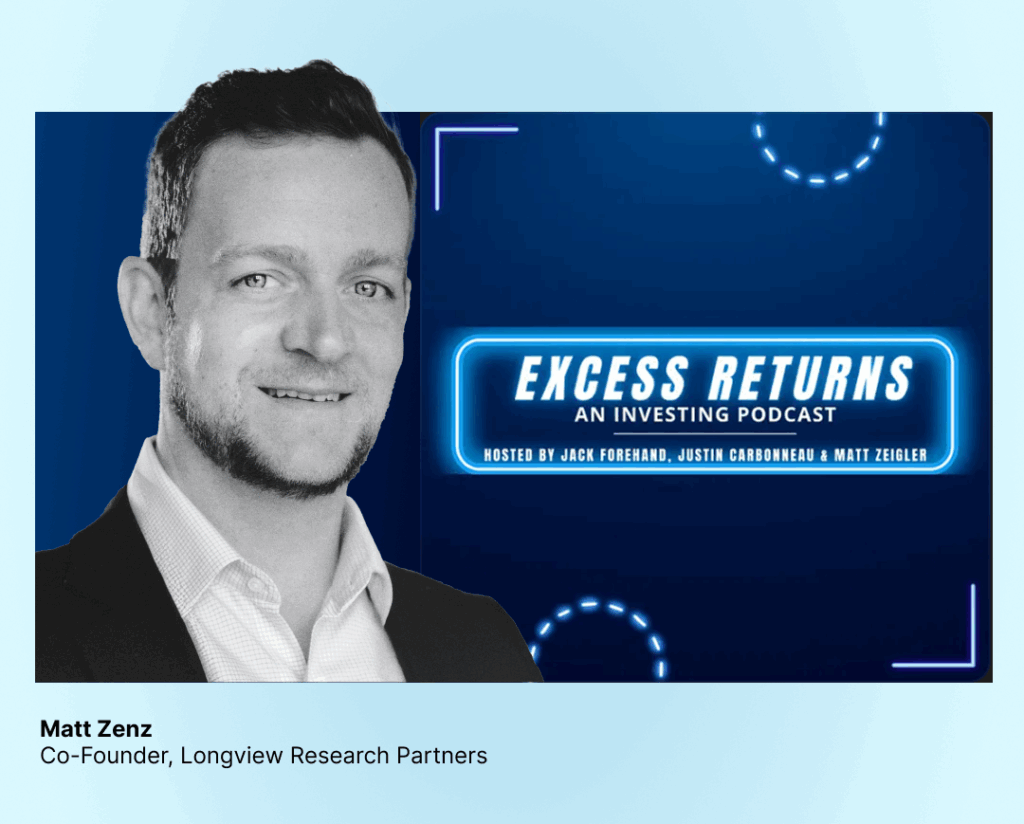
Matt Zenz appeared on the October 4 podcast episode of Excess Returns to discuss the case for evidence-based investing and the challenges that can accompany scale among the industry’s largest investment firms. He shared how research-driven firms, such as Longview Research Partners apply more nimble strategies to maintain efficiency and align with evidence-based principles.
“HTC” WARNING: Be forewarned, this is Highly Technical Content, best consumed by the heavy-duty fact finders in our audience.
Be sure to listen at the 44:30 mark, where Matt explores the benefits of agility in investing and how smaller, research-focused funds can often make decisions and implement changes more efficiently than larger counterparts.
Hill Investment Group and Longview Research Partners did not compensate the podcast or its hosts for this appearance.
Hill Investment Group (“HIG”) d/b/a Longview Research Partners is an SEC-registered investment adviser. Registration does not imply a certain level of skill or training. The opinions expressed herein are those of the author and are for informational purposes only. This material should not be considered investment advice or a recommendation to buy or sell any security. Past performance is not indicative of future results. For additional information about Hill Investment Group, including its services and fees, please review its Form ADV, which is available at www.adviserinfo.sec.gov.