Signal vs. Noise: Stock Market Concentration Concerns
A New Book, A Familiar Message: Stay Calm
The Freedom to Choose What Comes Next
Living Our Values: Reflections From Hill’s 2026 Summer Interns
The Player or the House?
Tag: Hill Investment Group
Holiday Hours and Coast-to-Coast Support

As we enter the holiday season, we’re grateful for the trust you place in us each year. This year also marks an important milestone for Hill: our team now stretches from California to New York, giving us broader coverage and greater availability than at any point in our 20-year history.
Holiday Hours
Our office will be closed on:
- Nov 27–28
- Dec 24–26
- Jan 1
New Year’s Eve (Dec 31): We’ll close early at 1:00 PM.
Even when our office is closed, we’re here for anything time-sensitive. You can always reach us at service@hillinvestmentgroup.com or text our main number at (314) 448-4023, and we’ll get right on it.
Wishing you and your family a peaceful, meaningful season!
Carl Richards & Hill Investment Group: Simple Sketches, Powerful Money Conversation
Carl Richards Always Delivers
While your mail may be delayed, Carl Richards always brings it home.
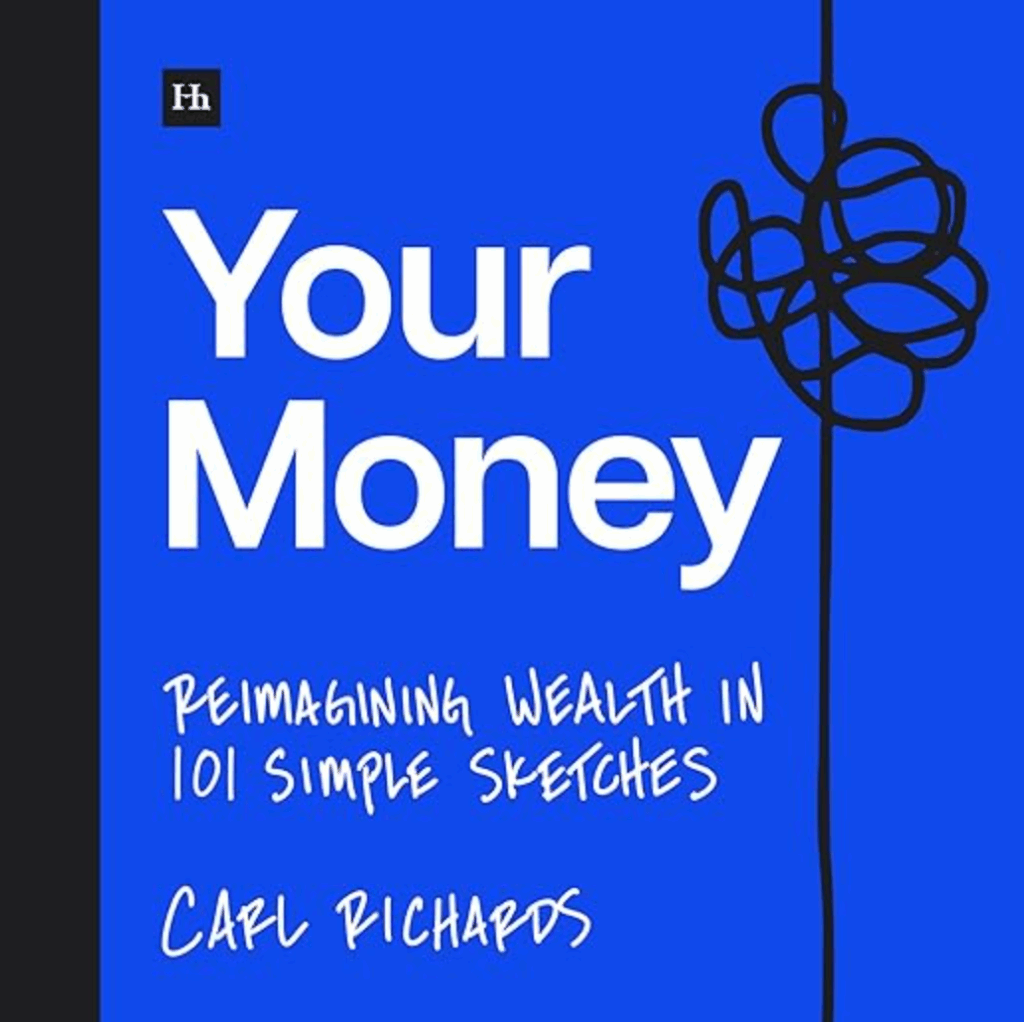
As Matt shared above, Carl has a rare gift for connecting money and emotion through beautifully simple sketches and memorable stories. At our recent event, he walked us through several concepts that sparked intense, productive conversations. In Carl’s words, the sketches often serve as “conversation grenades”… in a good way. Translation: they jump-start meaningful dialogue and help people have clearer, more honest conversations about money and life.
On November 12, Matt Hall led a live conversation with Carl at the Racquet Club in St. Louis, exploring themes from Carl’s latest book, Your Money: Reimagining Wealth in 101 Simple Sketches.
If you were unable to attend the event in St. Louis, please email us here to request a complimentary, signed copy of Carl’s book, which each attendee received.
If you’re interested in a webinar or in-person event with Carl, email me at buddy@hillinvestmentgroup.com. We’ll do our best to arrange it.
Bubble, Bubble, Bubble… Pop?

My 18-month-old son’s favorite song right now has a catchy chorus that goes, “Bubble, bubble, bubble… POP!” and as with any toddler favorite, we sing it constantly, so it’s always stuck in my head. Lately, every time I open my WSJ app and see the word “bubble” splashed across a headline, the soundtrack kicks in automatically.
In the song, the bubbles always pop. So, should we be preparing for a big pop in markets, as the headlines suggest? Part of taking the long view is refusing to react to headlines. Our philosophy centers on tuning out the noise and anchoring decisions in evidence. But with all the AI “bubble” chatter, it’s worth taking a moment to examine this idea from a research-backed point of view, one that might surprise you, but ultimately help you rise above the noise.
What If Bubbles Don’t Exist?
Eugene Fama, Nobel laureate and architect of the Efficient Market Hypothesis (and a major influence on Hill’s investment philosophy), has a view that stops people in their tracks: He doesn’t believe in bubbles.
Not because he thinks markets are perfect…they aren’t. And not because prices never fall…we know that they do. He challenges the idea of bubbles because, as he puts it, you can’t scientifically prove that a price was ‘wrong’ in the moment.
Here’s what this means:
1. We only call something a bubble in hindsight.
When prices rise sharply, no one knows if it’s irrational because future growth could justify it. We only label it a “bubble” after a drop, which means we’re using new information to judge old prices.
2. A crash isn’t evidence of a bubble.
A sharp decline doesn’t mean earlier prices were foolish. It may simply reflect changing expectations, new information, or shifting economic conditions.
3. If something looks obviously overpriced, markets should correct it.
Nobel Prize winner, University of Chicago Professor, and Dimensional Director Eugene Fama argues that calling something a bubble implies that most investors were collectively irrational, something he’s deeply skeptical of.
Whether or not you fully agree with him, his perspective matters because it reminds us of something essential: the story of markets is driven more by narrative and emotion than data.
How this Connects to Your Plan
At Hill, we don’t spend time predicting bubbles. We don’t try to guess where the top is. We don’t build your plan around today’s headlines. Instead, we build portfolios (and relationships) around a different set of ideas:
- Evidence beats emotion.
- Your financial life shouldn’t be swayed by headlines.
- And you don’t need to predict what comes next.
So, Are We in a Bubble? The honest, evidence-based, answer is that no one knows. And we don’t need to. The goal isn’t to call the top. It’s to stay invested, stay disciplined, and stay focused on your long-term vision, the one we’re building together.
If you’d like to talk more about this, call us or email at askanadvisor@hillinvestmentgroup.com to set up a time.
Disclosure:
Hill Investment Group Partners, LLC (HIG) is an SEC-registered investment adviser. Registration does not imply a certain level of skill or training. The information in this publication is for educational and informational purposes only and does not constitute an offer to sell, or a solicitation of an offer to buy, any specific securities, investments, or investment strategies. Nothing contained herein should be construed as individualized investment, tax, or financial advice. Always consult with a qualified financial adviser and/or tax professional before implementing any strategy discussed.
Investments involve risk, including the possible loss of principal. Past performance is not indicative of future results. Investment return and principal value will fluctuate so that an investor’s shares, when redeemed, may be worth more or less than their original cost. Future returns may differ significantly from past returns due to market and economic conditions, among other factors.