Signal vs. Noise: Stock Market Concentration Concerns
The Player or the House?
We’re in the Hospitality Business
Client-Exclusive Webinar with David Booth, Co-Founder and Chairman of Dimensional
A Good Estate Plan Should Make Life Easier
Author: Sebastian Peritore
Tax Drag: The Hidden Cost Investors Overlook
One of our outstanding 2026 Summer Interns, Sebastian Peritore, collaborated with Nell Schiffer to write this article.
A recent piece in the WSJ makes the case that investors’ priorities can be misaligned when picking which investment funds to place their money in. Captivated by chasing returns, investors often lose sight of the most consequential factors.
When choosing an investment fund, most investors focus on returns.
That’s understandable. Performance numbers are easy to find, easy to compare, and often dominate marketing materials.
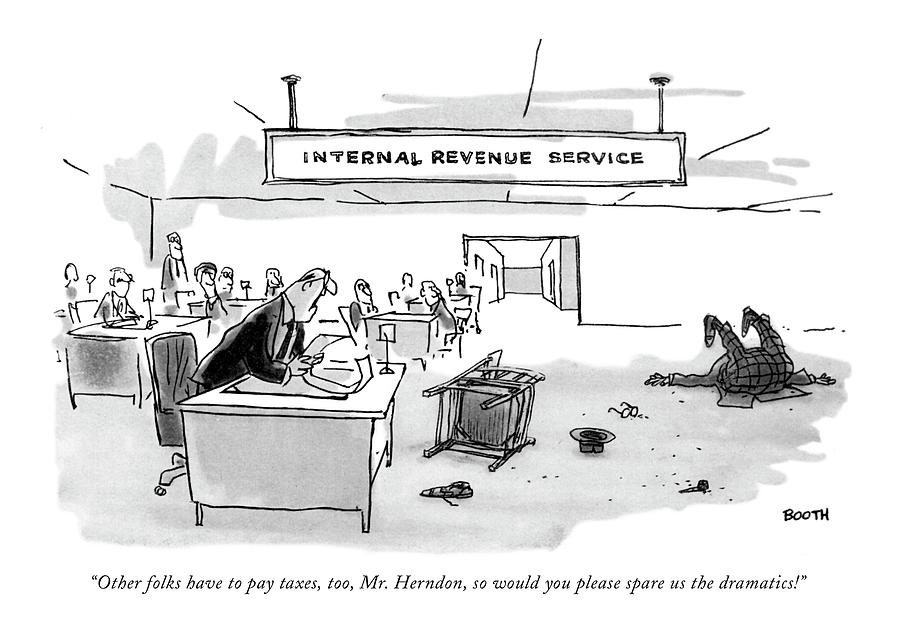
But by focusing too heavily on returns, investors can overlook a factor that may have an even greater impact on long-term wealth: taxes.
Avoiding a Common Mistake
Not all investment funds are created equal.
Decades of research show that investors who try to pick winning stocks or time the market face long odds. While some managers outperform for short periods, taxes and fees often erode those gains over time.
As a result, many investors have embraced low-cost index funds that allow them to participate in market returns without relying on forecasts or stock-picking skill.
That’s a meaningful step forward. But choosing an index fund is only part of the equation.
What Many Investors Overlook
Most investors compare funds based on historical returns and expense ratios. Both matter.
What many investors fail to consider is how much of those returns they actually keep after taxes.
Most mutual funds highlight pre-tax performance, while the tax consequences of owning the fund receive far less attention. Yet research cited in a recent Wall Street Journal article suggests that taxes can reduce an investor’s accumulated wealth by nearly one-third over time.
In other words, investors may spend considerable effort searching for a slightly higher return while overlooking a factor that can have a far greater impact on their long-term results.
Keeping More of What You Earn
Successful investing requires more than pursuing returns. It requires keeping as much of those returns as possible.
That’s why we believe investors should evaluate returns, costs, and tax efficiency together rather than in isolation.
At Hill, we look for opportunities to combine evidence-based investing with thoughtful innovation to help clients keep more of what they earn.
One example is the Longview Advantage Fixed Income ETF (NASDAQ: LVIG). LVIG is a fixed-income ETF structured as a fund of funds and designed to reduce some of the tax friction that income distributions can create in taxable accounts.
The Long View
The most successful investors don’t simply focus on what they earn. They focus on what they keep.
Over a lifetime of investing, even small differences can compound into meaningful outcomes. A seemingly minor drag on performance, repeated year after year, can have a significant impact on long-term wealth.
That’s why taxes deserve a seat at the investment table alongside returns and fees.
Investors who avoid overlooking tax implications put themselves in a stronger position to preserve more of their wealth and stay focused on what matters most: taking the long view®.