Signal vs. Noise: Stock Market Concentration Concerns
A New Book, A Familiar Message: Stay Calm
The Freedom to Choose What Comes Next
Living Our Values: Reflections From Hill’s 2026 Summer Interns
The Player or the House?
Category: People
The Freedom to Choose What Comes Next

We recently sat down with a couple in their 50s who had spent decades building. Careers. A portfolio. A family. They funded education, paid down debt, and prepared for a future that always seemed to require one more year of work and one more dollar saved.
For most of that time, every dollar had a job. Pay down the mortgage. Fund college. Max out retirement plans. Set aside cash for taxes. Invest the next business distribution.
Now their cash flow is beginning to look different. Many of the major assignments are covered, which means more of the next dollar comes with a choice.
They like their work and still have goals. They also care deeply about having time for the relationships that matter to them, especially family, friends, and their own parents.
That led us to a more interesting question:
The next dollar could go into the portfolio. It could pay for help that creates breathing room, fund a longer family visit, support a cause, help the kids, or simply wait until the right use becomes clearer.
The right answer depends on the person.
Every client has some mix of assigned dollars and choice dollars, and that mix changes over time. For someone still building, preferences help determine which goals deserve priority. For someone with more room in the plan, those same preferences can help direct that freedom.
Our founder, Rick Hill, offers one example. Rick spent a good solid decade following what we called the “Rick Hill Plan,” slowly walking down from working 40 hours a week to 10. He still keeps his toe in the water, giving him the community, mental engagement, and fun he gets from work while creating more time for family, friends, travel, and hobbies.
That plan fits Rick. Someone else may love working full time. Another person may want to leave work completely and move toward something new. Research on gradual retirement has found benefits to maintaining meaningful work and connection when the arrangement fits the person.
A financial plan tells us what is possible. Knowing the client helps us understand what those possibilities are for.
One family may buy a second home because it becomes the place where everyone gathers. Another may prefer the freedom to travel anywhere. One client may help the kids earlier because they want to see what the money makes possible. Another may value the confidence their children develop by building independently.
Research supports the importance of this fit. One study examining more than 76,000 bank transactions found that people whose spending better matched their personalities reported greater life satisfaction. The fit between the spending and the person mattered more than how much they spent.
The useful question is whether your spending looks like you.
Money can remain invested. Time with parents, children, friends, and our own health has a season. The way we use our resources influences who receives our attention, what receives our energy, and what we have room to experience now.
Understanding our preferences takes its own kind of work and awareness. Clients rarely arrive with perfectly articulated answers, so we help draw them out.
We may notice that a client lights up when talking about traveling with her siblings and grows quiet when discussing a second home. We may learn that “working less” is really about seeing aging parents more often. We may ask whether helping a child is meant to create opportunity, security, or connection.
We ask questions, listen for patterns, and reflect preferences back. Then we put numbers around the choices so clients can decide with confidence.
- Which trips leave you restored and excited?
- What do you hope helping the kids will make possible?
- Who and what do you want more time for?
The couple we met with is still in the gray. They are becoming more aware of their choices and more intentional about what they want their dollars to do.
Good financial planning helps turn wealth into a life well lived. For clients who are building, that means protecting what matters along the way. For clients with more freedom, it means giving more of their lives to what matters most.
For years, your money had a job. Now you may have more freedom to choose its next assignment.
Living Our Values: Reflections From Hill’s 2026 Summer Interns
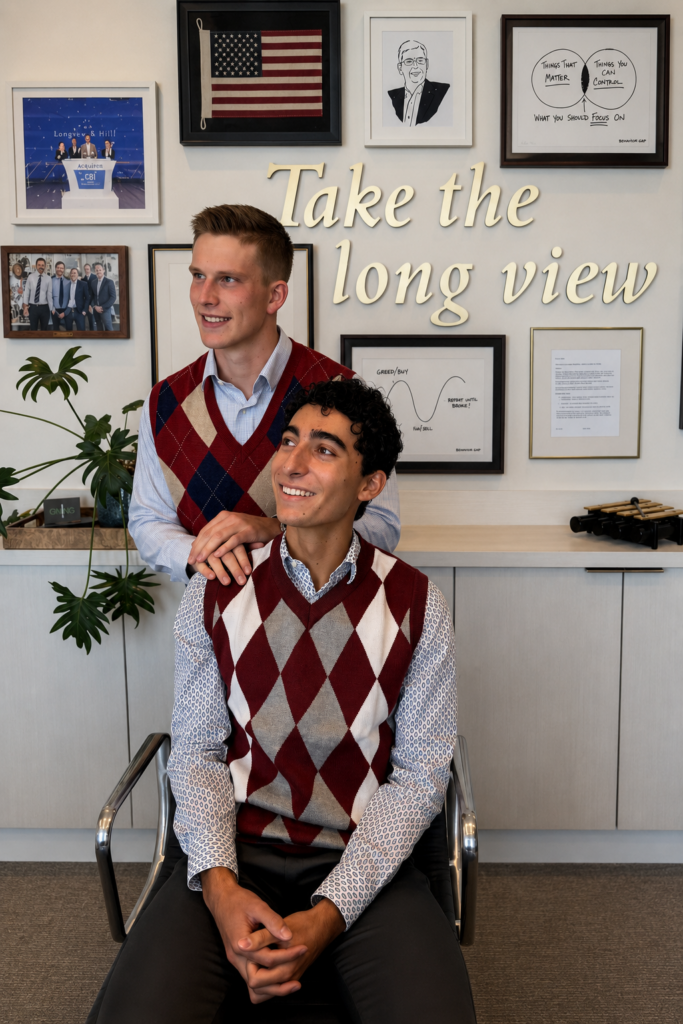
As their summer at Hill came to a close, we asked our interns to reflect on the lessons they’ll carry with them. Their answers touched on investing, leadership, relationships, and a few of the values that shape how we work together every day.
Arriving at Hill, I wanted to prioritize improving my communication to help me become a better leader. Communication channels are more fragmented than ever, and effective leadership increasingly relies on the ability to overcome these obstacles.
At Hill, I learned that candor means more than just vocalizing disagreements. By observing the leaders at Hill, it became obvious that some of the most difficult conversations can be the most fruitful.
The thing I admire most about the leaders at Hill is the way they are able to challenge each other, not to break each other down, but to build each other up. I plan to take this skill with me to help me become a more effective leader, both at work and beyond.
Before this summer, I thought investing was mostly about finding the right answer. At Hill, I learned that the better question is often why.
Every project taught me not to accept something just because that is how it has always been done. At Hill, the focus is on understanding why and asking, “What does the evidence support?”
But the most important lesson I will take away has less to do with investing and more to do with people. The work matters, but the people beside you shape how meaningful and enjoyable that work becomes.
At Hill, fun is not separate from business. It builds the trust, energy, and openness that allow people to do their best work together.
This summer taught me to seek evidence before reaching a conclusion, but it also taught me something even more valuable: when you surround yourself with the right people, meaningful work and fun naturally go together.
The Player or the House?
August has been a month of goodbyes for me.
Lisa and I just dropped off our only child at college. Like every parent who has reached this milestone, I’m feeling a strange mix of pride, excitement, and disbelief that we’re already here.
I’m also feeling pretty good about one other thing: that 529 account we’ve been diligently funding for years is now ready and willing to be depleted. 🙂
Back at Hill, we’re saying goodbye to two other young people: our summer interns.
For 16 years, we’ve had an internship program at Hill, and it has been one of those things that has worked well for everyone involved. We get to teach smart young people about our business, evidence-based investing, and what we’ve learned along the way. They get real exposure to a working investment firm. And, yes, they also help us with some of the work no one else is exactly fighting to do.
Our process is pretty simple. In the fall, we begin collecting interest. Interviews start in January, and we generally make our decisions by mid-March. Depending on the strength of the pool, we hire anywhere from zero to three interns.
This year, we had two of the best we’ve ever had.
They didn’t just show up and take from our culture. They contributed to it. They asked good questions, did good work and made Hill better while they were here. By the end of the summer, we honestly didn’t want them to leave.
Then they did something that made me even more impressed with them: they introduced us to several friends they thought might be great Hill interns next summer. Think about that. They were helping us, helping their friends and putting their own reputations behind the experience they had here.
So I took a few of these prospective interns to lunch.
One of them, a student-athlete at Washington University, asked me a terrific question:
“I know people who manage big money, pick stocks (rather than take an evidence-based approach), and do quite well. What do you say to that?”
I loved the question because it gets at one of the foundational reasons Hill Investment Group exists.
There were five of us sitting at the table, so I said:
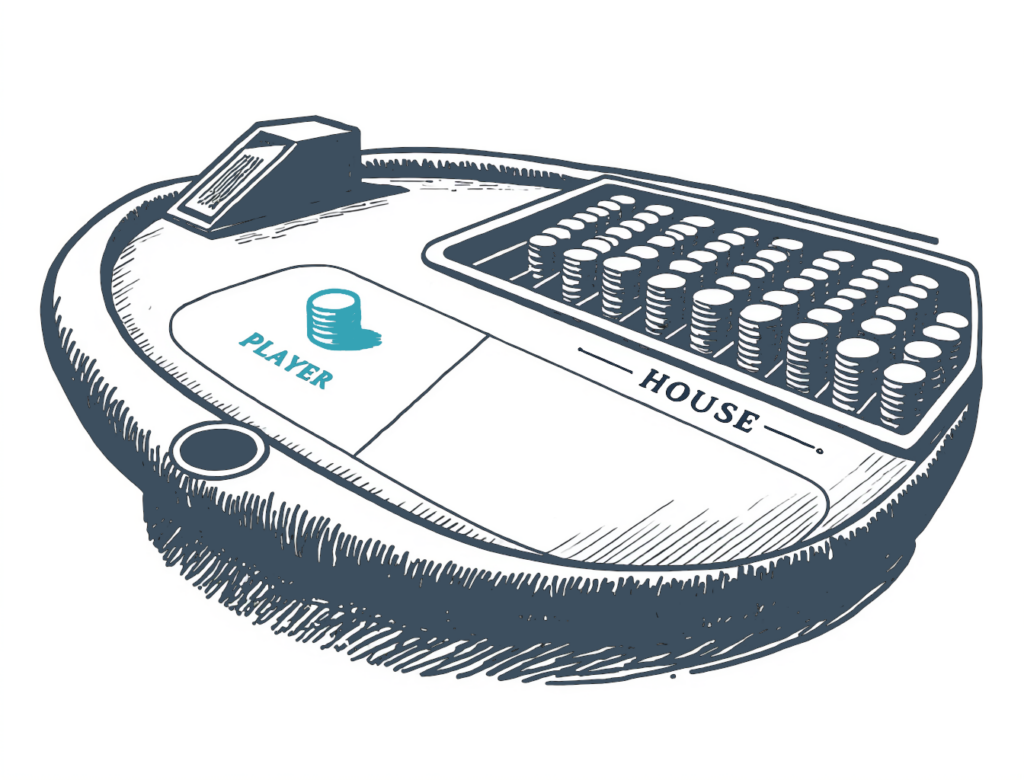
“Imagine the five of us take a trip to Vegas. You have a choice. You can be a player or the house. Which would you choose?”
Without hesitating, he said, “I’d be the house.”
“Why?” I asked.
“Because the math is figured out. The odds are on your side.”
Exactly.
We want to be the house.
A player can win tonight. He might win tomorrow night. He might even have an incredible weekend and come home convinced he has figured out Vegas.
But over enough time and enough bets, the house has the advantage.
Investing is different from gambling, of course, but the lesson about odds is remarkably similar. We don’t believe our job is to guess which stock will outperform next year or find the person who had the hottest hand last year. There will always be people who win that game for a while.
We would rather put the odds on our side over the long haul (or Hall).
That means letting markets work for us. Diversifying. Keeping costs and taxes in mind. Staying disciplined when other people aren’t. And accepting that a sound process can sometimes lose to a lucky outcome in the short run.
It’s less exciting than believing someone has discovered the next great stock.
It’s also much more durable.
That’s what we believe to our core at Hill. It’s what we teach our interns. It’s how we invest our own money. It’s how we build our ETFs. And it’s the philosophy we hope these two young people carry with them long after they’ve forgotten whatever projects we made them work on this summer.
Whether you’re heading off to college, beginning a career or investing for the next several decades, you can’t control how everything turns out.
But you can do an awful lot to put the odds on your side.
Take the Long View,