Signal vs. Noise: Stock Market Concentration Concerns
The Player or the House?
We’re in the Hospitality Business
Client-Exclusive Webinar with David Booth, Co-Founder and Chairman of Dimensional
A Good Estate Plan Should Make Life Easier
Category: Philosophy
Beyond the Number
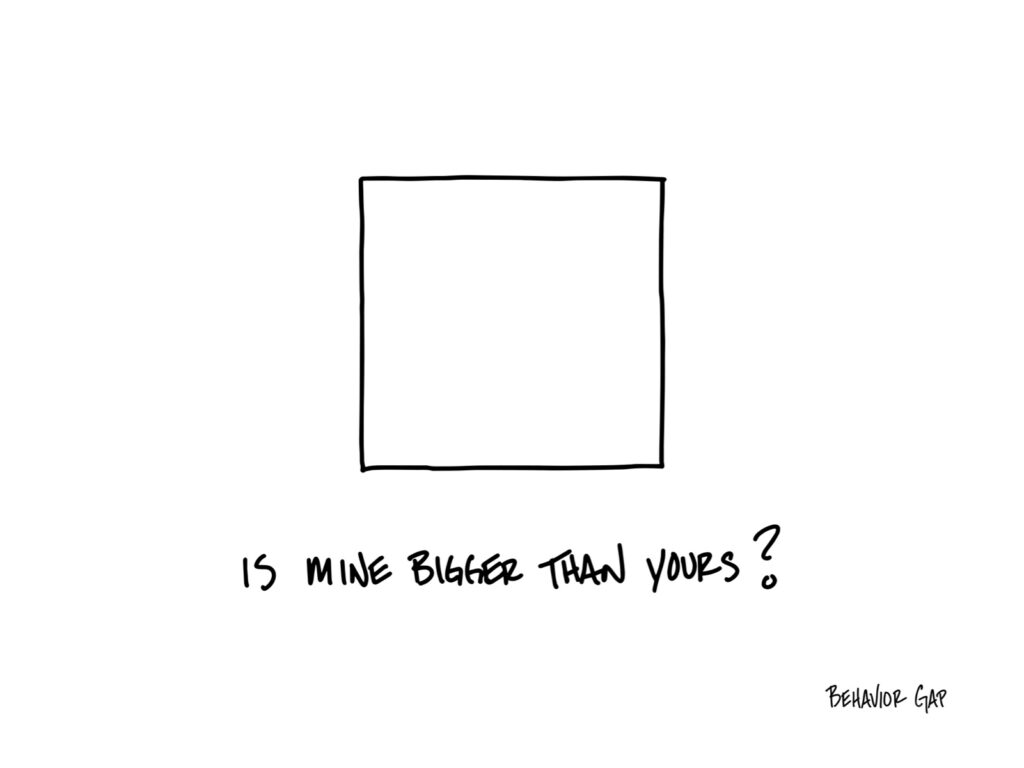
Earlier this month, with the IPO of SpaceX, the world witnessed the creation of the world’s first known trillionaire.
$1,000,000,000,000.
How does that number look to you?
How does it make you feel?
Humans have real feelings and emotions, especially when it comes to money and wealth. We naturally compare ourselves to others. It’s human nature. As the saying goes, “It’s all relative.”
But that’s precisely the challenge.
If a billion dollars once seemed unimaginable, what are we supposed to do with a trillion? More importantly, what happens when we compare ourselves to someone who possesses it?
The truth is that comparison has no finish line. If wealth alone created contentment, a millionaire would envy no one. Yet we know that’s not how humans work.
Over more than 25 years in the wealth advisory profession, I’ve noticed something interesting, particularly among our clients at Hill Investment Group.
When people first meet with us, they often have a number in mind.
“I want to have $X.”
It’s understandable. Having a financial target can provide motivation and direction.
But something often changes over time.
As clients learn and embrace our evidence-based investment philosophy, gain confidence in their financial plan, and begin taking the long view, their goals frequently evolve beyond simply reaching a number.
Why?
Because they increasingly believe they can achieve their financial goals if they remain disciplined and stay the course. The constant worry begins to fade. The daily noise matters less. Confidence gradually replaces uncertainty.
And when that happens, something powerful occurs.
People begin thinking less about accumulating wealth and more about what that wealth can make possible.
They think about experiences.
They think about family.
They think about legacy.
They think about causes they care about.
They think about opportunities they never allowed themselves to consider before.
Ironically, many people discover that once they stop obsessing over a number, they begin focusing on the people, experiences, and opportunities that number was meant to support in the first place.
It’s a little like climbing a mountain with an experienced guide. Instead of worrying about every step, every turn, and every obstacle along the path, you’re able to lift your eyes and appreciate the view.
How does that perspective make you feel?
Not just about hearing about a trillionaire, but about your own future.
If you’re already a client, you may recognize this shift. The conversation gradually moves from “How much is enough?” to “What do I want to do with the life I’ve built?”
That’s an exciting transition.
It’s future-oriented.
And in many ways, that’s when financial success becomes less about what you’ve accumulated and more about the life, relationships, and opportunities it makes possible.
If you’re not yet a client, we’d welcome the opportunity to help you explore what financial peace of mind might look like for you and your family. Whether through our monthly newsletter, a copy of Odds On, or a simple conversation, we’re here whenever you’re ready.
Tax Drag: The Hidden Cost Investors Overlook
One of our outstanding 2026 Summer Interns, Sebastian Peritore, collaborated with Nell Schiffer to write this article.
A recent piece in the WSJ makes the case that investors’ priorities can be misaligned when picking which investment funds to place their money in. Captivated by chasing returns, investors often lose sight of the most consequential factors.
When choosing an investment fund, most investors focus on returns.
That’s understandable. Performance numbers are easy to find, easy to compare, and often dominate marketing materials.
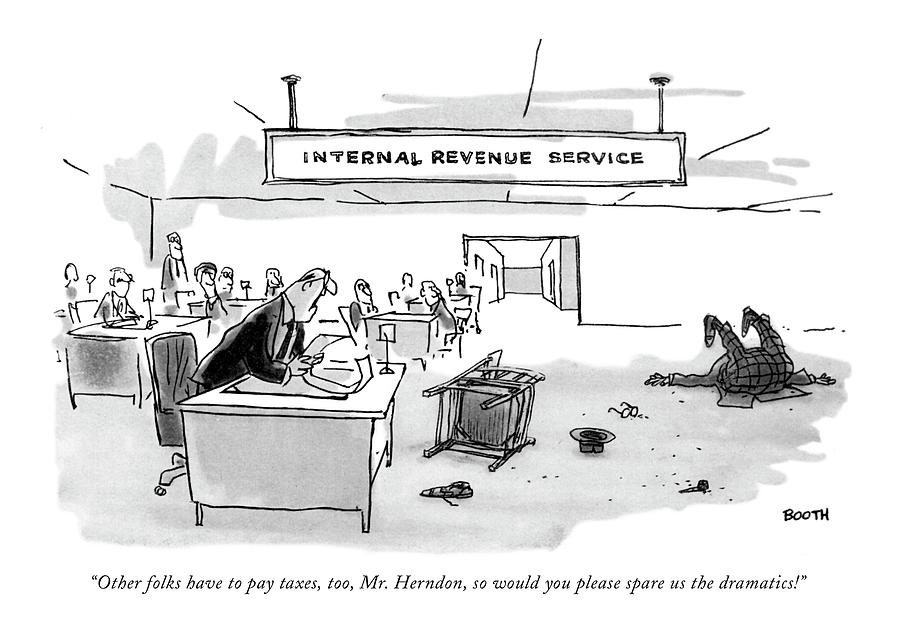
But by focusing too heavily on returns, investors can overlook a factor that may have an even greater impact on long-term wealth: taxes.
Avoiding a Common Mistake
Not all investment funds are created equal.
Decades of research show that investors who try to pick winning stocks or time the market face long odds. While some managers outperform for short periods, taxes and fees often erode those gains over time.
As a result, many investors have embraced low-cost index funds that allow them to participate in market returns without relying on forecasts or stock-picking skill.
That’s a meaningful step forward. But choosing an index fund is only part of the equation.
What Many Investors Overlook
Most investors compare funds based on historical returns and expense ratios. Both matter.
What many investors fail to consider is how much of those returns they actually keep after taxes.
Most mutual funds highlight pre-tax performance, while the tax consequences of owning the fund receive far less attention. Yet research cited in a recent Wall Street Journal article suggests that taxes can reduce an investor’s accumulated wealth by nearly one-third over time.
In other words, investors may spend considerable effort searching for a slightly higher return while overlooking a factor that can have a far greater impact on their long-term results.
Keeping More of What You Earn
Successful investing requires more than pursuing returns. It requires keeping as much of those returns as possible.
That’s why we believe investors should evaluate returns, costs, and tax efficiency together rather than in isolation.
At Hill, we look for opportunities to combine evidence-based investing with thoughtful innovation to help clients keep more of what they earn.
One example is the Longview Advantage Fixed Income ETF (NASDAQ: LVIG). LVIG is a fixed-income ETF structured as a fund of funds and designed to reduce some of the tax friction that income distributions can create in taxable accounts.
The Long View
The most successful investors don’t simply focus on what they earn. They focus on what they keep.
Over a lifetime of investing, even small differences can compound into meaningful outcomes. A seemingly minor drag on performance, repeated year after year, can have a significant impact on long-term wealth.
That’s why taxes deserve a seat at the investment table alongside returns and fees.
Investors who avoid overlooking tax implications put themselves in a stronger position to preserve more of their wealth and stay focused on what matters most: taking the long view®.
What Happens When Good Ideas Spread
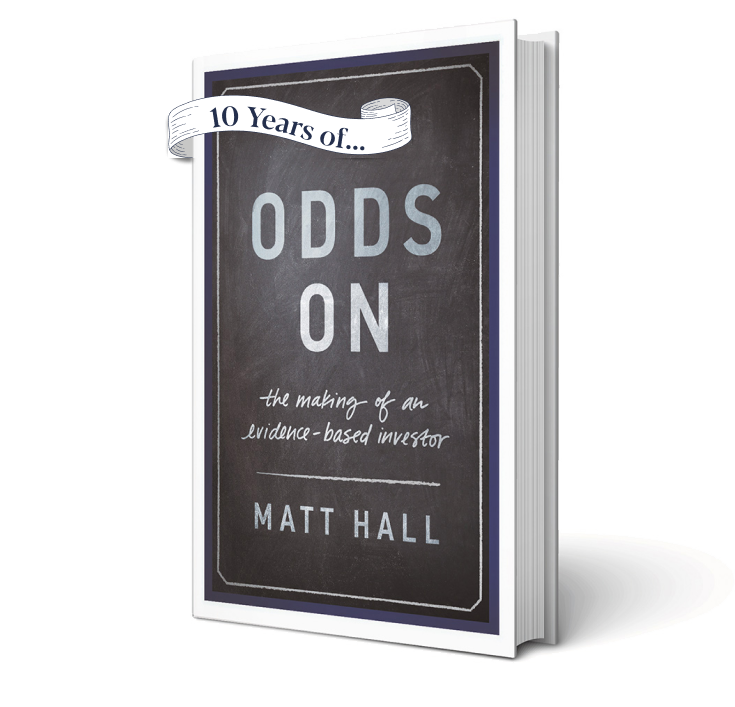
Ten years after Odds On was first published, Matt received a note from a fellow advisor that felt worth sharing.
Robert DeNovo, a private wealth advisor in Knoxville, wrote to say that he first came across the book through Dimensional, Larry Swedroe, or perhaps a recommendation that followed from both. However he found it, the impact stayed with him.
“Odds On, and later your podcast, was a catalyst to build a better experience for our clients. We, and they, are better for it.”
That says a lot.
Not because it is praise for the book, though we are grateful for that. It matters because it points to something bigger. The right ideas travel. They move from a book to a conversation, from one advisor to another, from a team meeting to a better client experience.
That was always the hope behind Odds On.
The book was written to make evidence-based investing easier to understand and easier to live with. It was never meant to be a technical manual. It was meant to help people see that a disciplined financial life does not have to be complicated. But it does require clarity, patience, and a willingness to let evidence guide the way.
Robert’s note also mentioned that when his team brought on a new associate, one of the first resources he shared was Matt’s podcast, especially the conversation with Danny Meyer. That detail felt fitting.
At Hill, we have always believed that the client experience matters as much as the advice itself. People need more than smart portfolios. They need a sense of calm. They need clear communication. They need a guide who helps them make better decisions when the stakes are high.
Odds On was never just about investing. It is about behavior, trust, and the kind of partnership that helps people stay focused on what matters.
Ten years later, it is meaningful to hear that those ideas still resonate with other advisors, with other teams, for other clients we may never meet. That is one of the best outcomes a book can have.
It keeps working.
It keeps traveling.
And, as Robert put it, people are better for it.
Thanks to Robert for allowing us to share his comments and for his support.